
Dangers Of Hyperdontia In Children; Causes, Affects, And Treatments
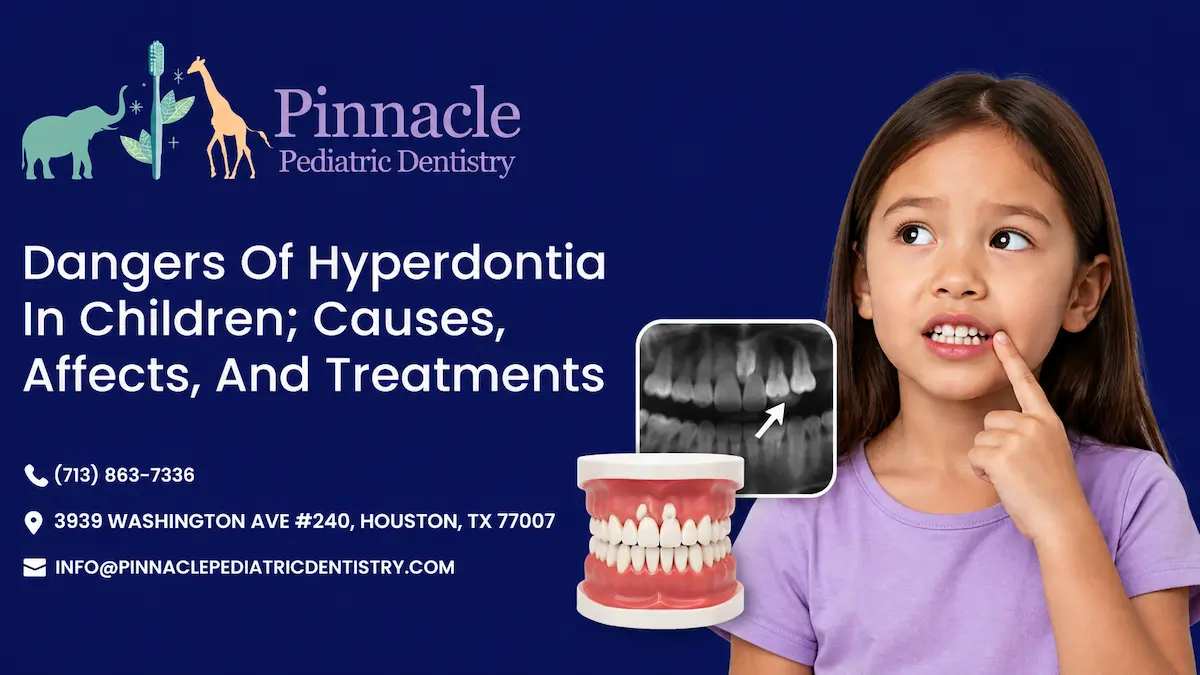
When it comes to a child’s dental development, parents usually expect the appearance of a perfect set of teeth. However, some children experience an unusual condition called hyperdontia, where extra teeth called supernumerary teeth develop beyond the normal count. This dental anomaly, although relatively uncommon, can raise concerns for parents about its impact on their child’s oral health.
The dangers of hyperdontia in children are primarily that primary and permanent teeth are affected and may manifest in additional teeth. While the exact cause of hyperdontia is not fully understood, genetics and certain medical syndromes play an important role. Significantly, these extra teeth may appear anywhere in the dental arch and vary widely in shape, size, and position.
Hyperdontia Conditions And Implications
Hyperdontia, being a prominent dental condition, is characterized by the presence of extra teeth beyond the normal number. While most children develop 20 primary (baby) teeth and later 32 permanent teeth, kids with hyperdontia grow additional teeth. These additional teeth are often also termed as supernumerary teeth. Moreover, this condition is relatively rare but can lead to various dental and oral health issues.
Causes Of Hyperdontia In Children
Causes of hyperdontia in kids remain unclear. However, several factors are believed to contribute to the development of extra teeth:
Genetics and Family History
Hyperdontia often runs in families, suggesting a hereditary component. Notably, some children inherit a tendency to develop supernumerary teeth from their parents.
Genetic Syndromes
Dangers of hyperdontia in children also develop due to genetic disorders being strongly linked. These include cleidocranial dysplasia, Gardner syndrome, Down syndrome, Ehlers-Danlos syndrome, and others. These significant disorders affect bone and tooth development.
Abnormal Tooth Development
During the early stages of tooth formation, abnormal division or stimulation of the tooth bud cells can lead to the formation of extra teeth.
Cleft Lip and Palate
Children born with a cleft lip or palate often have a higher likelihood of developing extra teeth.
Dangers Of Hyperdontia In Children
Several cases of hyperdontia are not immediately dangerous or life-threatening for children. Symptoms of hyperdontia in children never cause serious complications or require invasive treatments. It is important to understand that if the extra teeth do not interfere with normal oral functions, it is alright.
However, hyperdontia can lead to several potential problems that affect oral health. These include:
Delayed or Blocked Tooth Eruption
Extra teeth can obstruct the eruption of permanent teeth, leading to delayed or failed eruption.
Crowding and Displacement
Dangers of hyperdontia in children can cause overcrowding, pushing adjacent teeth out of their normal alignment. This may lead to rotation or displacement of teeth, causing bite and alignment issues.
Malocclusion
Misalignment caused by extra teeth can interfere with the child’s bite. Essentially, this causes issues with chewing, jaw pain, and long-term jaw development problems.
Difficulty with Oral Hygiene
Crowded or displaced teeth make brushing and flossing difficult, increasing the risk of cavities, gum disease, and plaque buildup.
Formation of Cysts or Tumors
In rare and extreme cases, untreated supernumerary teeth can lead to cyst or tumor formation, which can cause swelling, pain, and damage to the jawbone.
Read Also
Effects Of Hyperdontia On A Child’s Oral Health
The effects of hyperdontia on children’s oral health can vary significantly. It depends on the number, size, and location of the extra teeth:
- If the supernumerary teeth erupt normally without disturbing the alignment or function of other teeth, no immediate harm may occur.
- Complications of extra teeth can cause crowding, and can make chewing uncomfortable. In addition, it may also cause pain and increase the risk of oral infections due to difficulties in cleaning teeth properly.
- Impacted or retained supernumerary teeth may cause root resorption (breakdown) of adjacent permanent teeth. Moreover, it creates spaces (diastemas) that alter the bite.
- Hyperdontia can delay the transition from baby teeth to permanent teeth, which may require intervention to avoid long-term orthodontic challenges.
In some children, the condition remains unnoticed until dental X-rays reveal the presence of extra teeth. Therefore, early pediatric dental visits and routine radiographs help in identifying hyperdontia before complications arise.
Treatment Options for Hyperdontia in Kids
Treatment for hyperdontia in children depends on the severity and symptoms caused by extra teeth. Options may include:
Observation and Monitoring
If the additional teeth do not cause problems, many dentists recommend regular monitoring to track any changes.
Extraction of Extra Teeth
Removal of supernumerary teeth is common when they cause pain, crowding, delayed eruption, or functional issues.
Orthodontic Treatment
After extraction, braces or other orthodontic devices may be necessary to assist tooth alignment and bite issues.
Management of Complications
If cysts or tumors develop, surgical intervention to remove these lesions may be required.
Therefore, pediatric dentists and orthodontists play a pivotal role in deciding the best treatment plan for each child case.
In The End
Dangers of hyperdontia in children can be managed, but can lead to complications if neglected. The key to safe outcomes lies in early detection and appropriate dental care. Therefore, with modern dental interventions, children with extra teeth can maintain healthy smiles, avoid pain, and achieve proper tooth alignment. Furthermore, regular dental check-ups are essential for monitoring hyperdontia and ensuring any problems are caught early and managed effectively.
Why Pinnacle Pediatric Dentistry?
Pinnacle Pediatric Dentistry understands all complex dental issues that your child might experience. Therefore, along with treatment options, we provide detailed guidance on relevant issues. We ensure you make informed decisions with a full understanding of the required treatment.
